



 Back to Search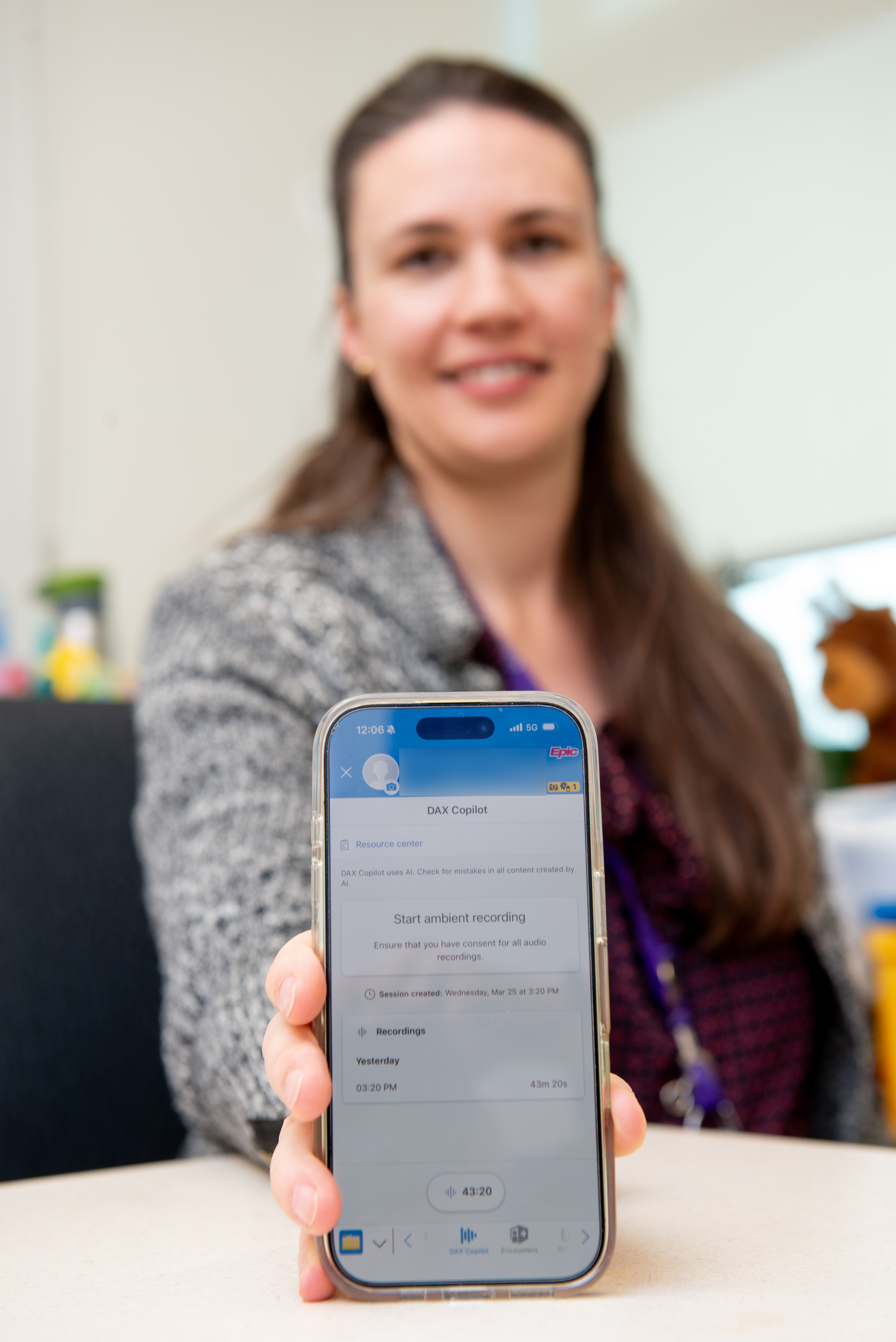
CHEO has added yet another AI tool to its modern approach to care, and that's making a big difference in the Emergency Department.
Documentation is a major part of a clinician’s workload, often causing fatigue, burnout, and less time for patient care. By using an AI scribe, the hospital is easing pressure on clinicians and allowing them to focus more time on delivering care to children, youth, and families.
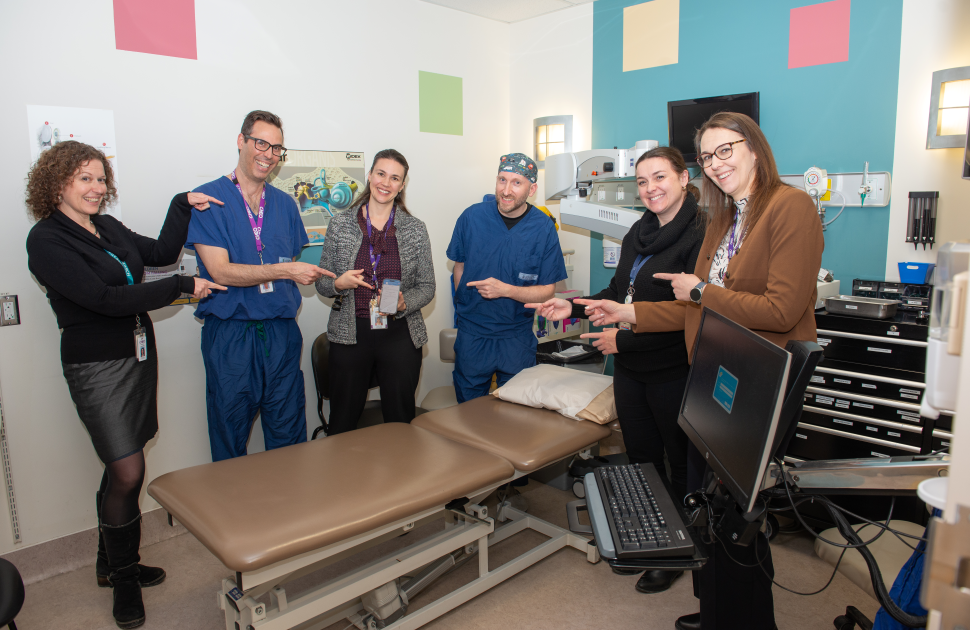
 CHEO continues to expand its use of the scribe across the hospital to help improve the quality of care and the patient and family experience. While care decisions remain entirely in the hands of clinicians, CHEO is focused on easing unnecessary burdens, so care providers can focus on delivering world-class specialized care and prioritize connecting with patients and families.
There are now 60 clinicians, including physicians, nurse practitioners and physician assistants, who have access to the AI scribe.
This is more than double the number of clinicians who tested the tool as part of a pilot project in 2025 across departments, including outpatient psychiatry and mental health, complex care, and adolescent medicine.
The tool was used in over 1,400 appointments with over 1,000 patients. Children, youth, families, and caregivers provided positive feedback, and clinicians said they were able to focus more on families instead of dealing with the added burden of paperwork.
“That presence feels different, and it matters to families. It changes the dynamic in a meaningful way,” said one clinician involved in the pilot.
The AI Scribe also led to more timely and consistent documentation of each visit with less chance of leaving out something important. In all, a large majority of clinicians who used the tool in the pilot wanted to continue.
Nevertheless, CHEO has also identified important considerations and potential limitations of this AI tool, such as visits with mental health patients. These visits are more complex, and there are more subtleties that might not be captured by AI. A patient describing hallucinations is one example.
“We’re taking a careful approach to AI. Our focus is on safety, equity, and making sure this tool truly supports our teams and the families we serve,” said Jennifer Gillert, director of digital health at CHEO.
“We’ll continue to evaluate how it’s working and make improvements together with clinicians and many others across CHEO.”
The AI scribe could only reach CHEO’s clinics thanks to the support and hard work of the CHEO Research Institute and its Precision Child and Youth Mental Health Collaboratory.
CHEO’s approach to AI remains thoughtful, transparent, and aligned with our mission to deliver the best care to children, youth, and families. Every AI tool used at CHEO is carefully reviewed and approved through a principled, human-centred process.
It’s important for hospitals like CHEO to experiment with innovative technologies to help support the care we provide, while maintaining an approach that is both patient- and family-centred.