



 Back to Search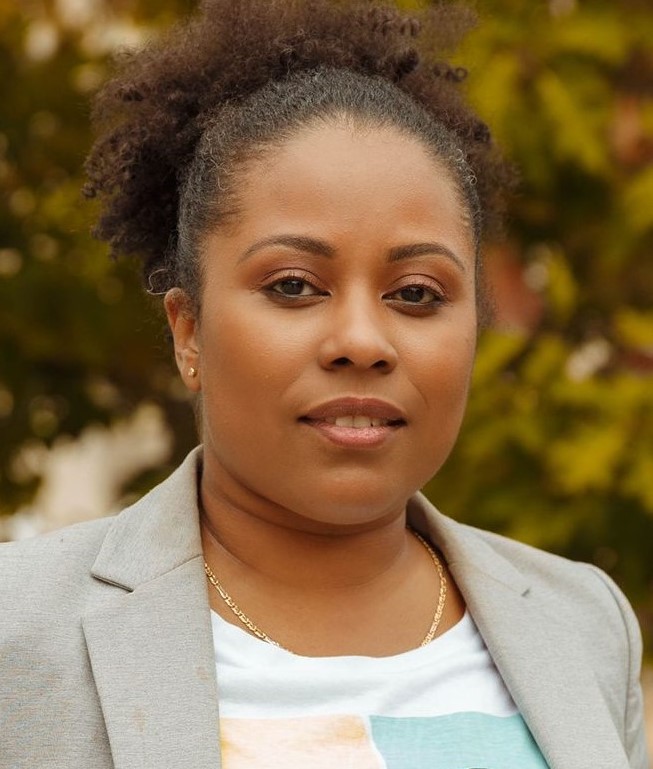
CHEO has launched the Sickle Cell Disease Patient and Family Advisory Council in response to a significant increase in diagnoses, which includes many newcomers to Canada who face inequities when accessing care.
Sickle cell disease is a genetic illness that occurs when a mutation affects hemoglobin, the protein in red blood cells responsible for delivering oxygen throughout the body. The mutation weakens red blood cells and changes their shape.
Over the past five years, CHEO has seen a 130 per cent increase in the number of children and youth diagnosed with sickle cell disease. While it can affect anyone, the disease is more commonly diagnosed in people of African, Middle Eastern, South Asian and Mediterranean descent.
The goal of the new family advisory council is to inform how CHEO delivers care.
“The unique health needs of these patients and families require understanding their experiences and perspective to ensure we can best support their overall health and well-being,” said Shanika Abraham, Director of the Hematology/Oncology department at CHEO, which treats kids with Sickle Cell Disease.
The council first meets this month with a committed group of parent advisors, including Tanya Elese, who has had to navigate a complex health-care journey.
“I joined because I wanted to ensure that the lived experience of (sickle cell) families is integrated into how CHEO operates, moving beyond just clinical treatment to a more holistic, culturally sensitive approach to care,” said Tanya. “To me, this partnership is a form of health justice; it ensures that the services being built are actually fit for purpose for the diverse Afro, Caribbean and Black and sickle cell communities we serve.”
Tanya also encourages other parents to join the advisory council because their “experience is a resource.”
The council expands CHEO’s ongoing work to address potential biases in care, which also includes quarterly Health Equity Rounds in the hematology/oncology department. These are confidential sessions during which staff reflect on culturally safe care and the impact of bias in clinical practice.
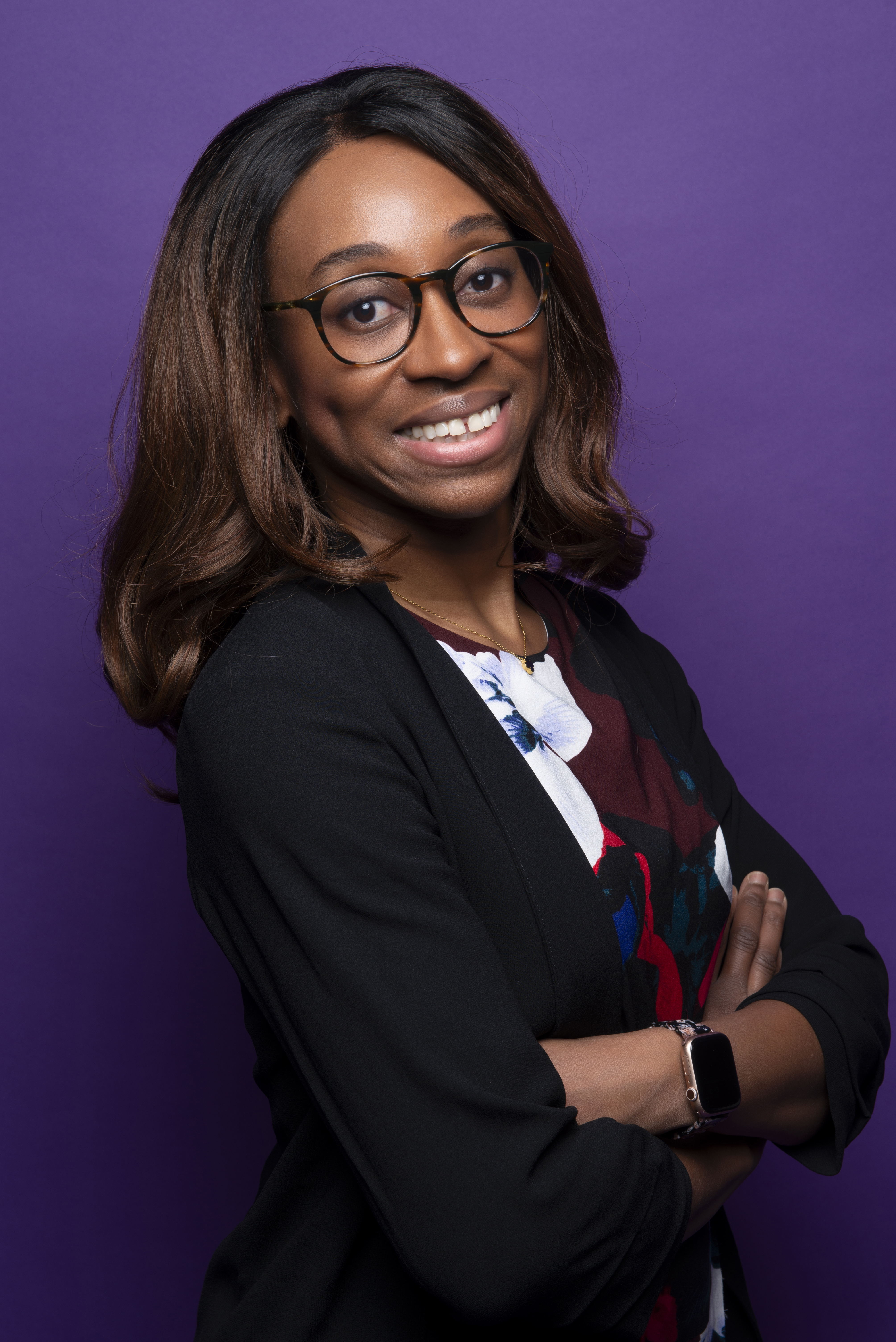
“We can hear from families and co‑design initiatives that address systemic challenges,” said Dr. Ewurabena Simpson, physician lead of CHEO’s Sickle Cell Disease Program, and chief of the Division of Hematology/Oncology.
Building on CHEO’s long history of successful patient and family advisory councils, this group will continue to guide program development, elevate family perspectives and support patient‑ and family‑centred care.