Intravenous (IV) Antibiotic Treatment

Your child or teen has an infection that needs to be treated with antibiotics given through a vein (intravenously, or IV). IV antibiotics are the best way to treat certain infections and are commonly started in the Emergency Department (ED). Some children and youth may continue IV treatment after leaving the ED, either by returning for doses or receiving care at home.

What you need to know

  • IV antibiotics are the most effective treatment for some infections
  • Your child or teen may go home with a “saline lock” instead of IV tubing
  • Treatment may continue in the Emergency Department or at home, depending on what is safest and available
  • Antibiotics can cause minor side effects such as upset stomach or diarrhea
  • Call 911 if your child or teen has trouble breathing or swelling of the lips or tongue 

Possible side effects of antibiotics include:  

  • Upset stomach
  • Diarrhea 

Signs the infection may be getting worse:  

  • Increasing redness around the infected area (more than 2 cm past the marking made by the doctor or nurse)
  • New or high fever
  • Red streaks moving away from the infected area
  • Increasing pain, pus, or drainage
  • Worsening pain to the area  

The infection is assessed by an Emergency Department provider or nurse. Your child or teen will be reassessed after a set number of IV doses to see how well the treatment is working and whether they can switch to oral antibiotics.

How IV antibiotics are given  

  • An IV is inserted and a “saline lock” is used so tubing does not stay connected between doses 
  • This prevents repeated needle pokes
  • When a dose is due, IV tubing is attached to the saline lock and removed afterward 

Where treatment happens  

  • You may return to the Emergency Department for each dose
  • Or a home care nurse may give the antibiotics at home 

A plan will be made based on available services and what is best for your child or teen.

How to prepare 

If returning to the Emergency Department  

  • Return 30–60 minutes before each scheduled dose
  • Go to the Triage desk, then register
  • A nurse will give the medication and you can go home afterward
  • You only need to pay for parking once per day
    • Get a receipt during your first visit
    • Bring the receipt to the Security office before leaving CHEO on later visits 

If IV therapy is arranged at home (Ontario residents with a valid health card)  

  • The first dose is given in the Emergency Department after the IV is inserted
  • A referral is sent to the Pediatric Home and Community Care (HCC)
  • A case manager will contact you by phone
  • If you have not heard from a case manager 1–2 hours before the next dose, return to the ED 

Aftercare / What to do at home 

To protect the saline lock:  

  • Keep it dry
  • Keep it covered with the bandage from the ED
  • Do not let your child play with or pull on the dressing 

If the IV catheter comes out:  

  • Press firmly on the site for 2–3 minutes until bleeding stops
  • Apply a bandage
  • Return to the ED 30–60 minutes before the next dose, or
  • Contact your homecare nurse if treatment is being given at home 

Pain and fever 

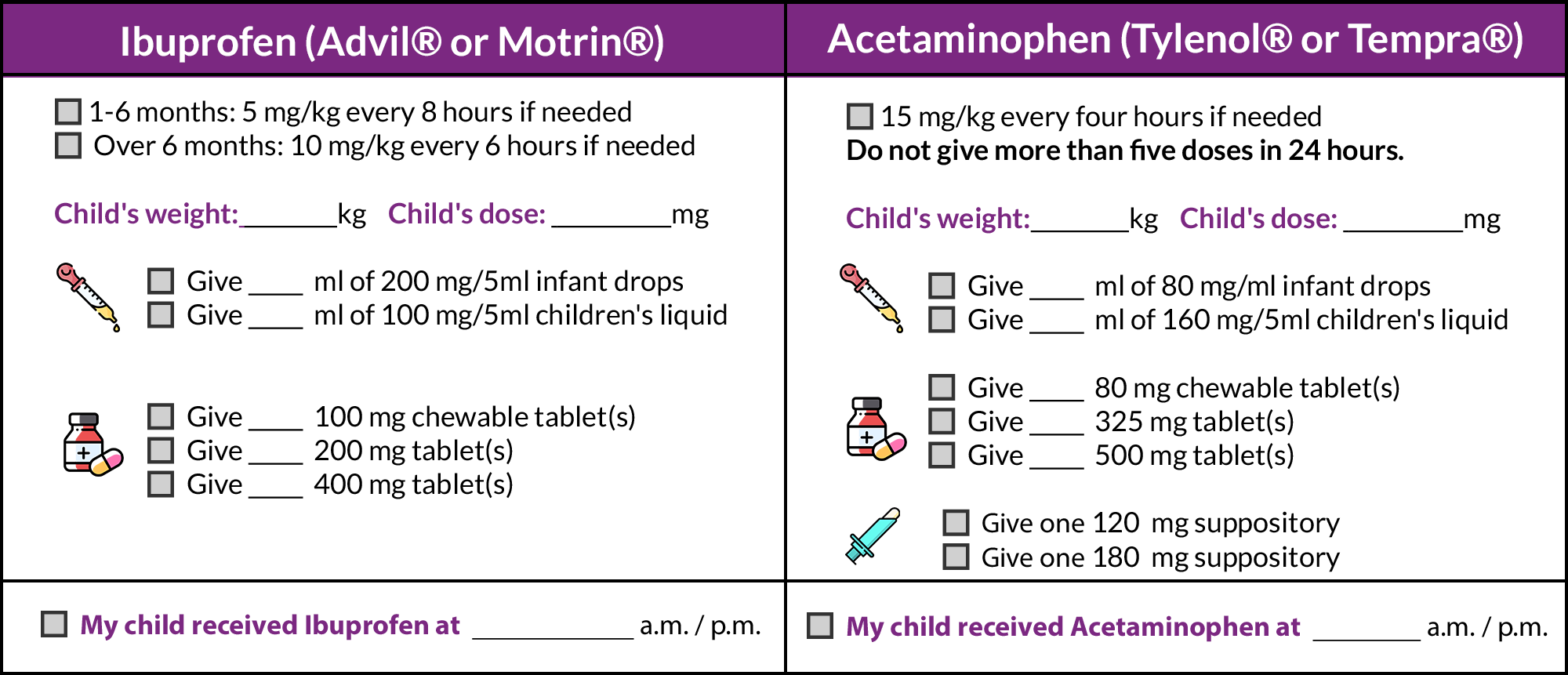
  • Medicines for pain and fever come in different strengths
  • Always check the concentration on the bottle
  • Read package directions carefully
  • If unsure, contact your pharmacist or primary care provider 
Call 9-1-1 if:  

  • Your child or teen has trouble breathing
  • Your child or teen develops swelling of the lips or tongue 

Return to the Emergency Department if:  

  • The IV comes out and another dose is due
  • You notice signs the infection is getting worse
  • You have not heard from homecare case manager before the next dose 

Scheduled reassessment  

  • After dose ________, return to the ED so an Emergency Provider can reassess your child or teen
  • After reassessment, the IV is often removed and oral antibiotics may be started 

Contact information 

CHEO's Emergency Department (questions about treatment or saline lock): 
613‑737‑2328 

Community Care Access Centre (CCAC): 
613‑310‑2222 

Disclaimer 

These resources are for educational purposes only. If you have questions, speak with your health care provider. Last updated: June 2026

Have you registered for MyChart?

MyChart is a free, secure, online patient portal that connects patients to parts of their CHEO electronic health record, anywhere, at any time.