




Coming to CHEO for surgery
Tip: bookmark this page and check back in the days leading up to surgery for important checklists and reminders!
It's important to follow the checklists and guidelines closely — especially the fasting guidelines — to avoid any unnecessary surgery delays or cancellations.
If you don’t already have a CHEO MyChart account, please visit CHEO.on.ca/MyChart to learn more and sign-up.
There will be a pre-anesthesia medical screening questionnaire that will need to be completed using MyChart before your procedure.
Checklists
|
Week before surgery |
|
|
|
Day before surgery |
|
What to do:
What to bring:
We have space to store non-valuable items, but they do not lock. You are responsible for valuables. |
|
Day of surgery |
|
|
What to do if your child/youth is sick right before their surgery
It is important that your child does not have any other illnesses that will make it harder for them to recover from their surgery.
Symptoms to look out for |
|
Call the pre-anesthesia clinic at 613-737-7600 ext. 3330 (Monday to Friday, 7am-3pm) if your child or youth has had any of these symptoms in the 2 weeks before surgery:
Call the pre-anesthesia clinic at 613-737-7600 ext. 3330 as soon as possible if your child or youth has had or been in contact with someone who has one of these contagious diseases or illnesses in the 3 weeks before surgery:
|
Who to contact the evening or night before surgery |
|
If your child becomes ill between 4 and 11 pm the evening before surgery (or if you can’t reach your surgeon):
If your child becomes ill overnight (after 11pm) before their scheduled surgery:
We may ask you to come to the Surgical Day Unit in the morning to have them assessed by the anesthesiologist to decide if we will go ahead with the surgery or procedure. |
Coming to CHEO for surgery
Jump to the information you need
Before surgery Day before surgery Day of surgery After surgery
Before surgery
| Checklist: the week before your surgery |
 Make sure your child/youth does not take ibuprofen or anti-inflammatory medications for one week before surgery. Do not give Advil or Motrin, Aspirin, Aleve (ASA) or Pepto-Bismol Naprosyn, Ginko or St. John's Wort. Talk to your surgeon about whether you will need any special equipment for the car or home to care for your child or youth after surgery. If you will need language interpretation services, ask your surgeon's office for help arranging that. Make sure your child/youth does not take ibuprofen or anti-inflammatory medications for one week before surgery. Do not give Advil or Motrin, Aspirin, Aleve (ASA) or Pepto-Bismol Naprosyn, Ginko or St. John's Wort. Talk to your surgeon about whether you will need any special equipment for the car or home to care for your child or youth after surgery. If you will need language interpretation services, ask your surgeon's office for help arranging that. |

Learn more about how to prepare for surgery
All about anesthesia |
||||||||||||||||||||||||||
|
During surgery, your child or youth will have medications to keep them comfortable. This is called anesthesia. It can involve many levels of sedation from numbing the area to a deep sleep (general anesthesia). For more complex patients or procedures there is an acute pain service (with anesthesiologist and nurse practitioner) that will help surgeons manage pain. This may include oral medications, IV medications, epidural (or similar injections in the back) or nerve blocks. Your care team will give you more resources and information on these options if required. If your child or youth is booked to have surgery or another procedure under anesthesia, you may already be in the process of evaluation by the Pre-Anesthesia Clinic. If your surgeon decides you don’t require a pre-anesthesia assessment clinic visit, your child or youth will be assessed on the day of surgery. Who is an anesthesiologist?
|
||||||||||||||||||||||||||
Giving consent for a surgery or procedure |
||||||||||||||||||||||||||
|
Your care provider may ask for a consent form to be signed during a clinic visit in advance of the procedure, or – if this does not happen – on the day. The consent form must be signed by the patient if they are capable of making their own decisions with respect to the procedure. If they are not capable, the consent form must be signed by a caregiver with authority to make healthcare-related decisions. This could be a parent with decision-making responsibility or a legal guardian. If you are not already listed as a parent with decision-making responsibility or a legal guardian in the patient’s medical record, please ensure that you bring appropriate documentation with you. CHEO will need to review this documentation before you sign the consent form. The law provides that consent must be voluntary and informed. This means that, before the consent form is signed, the care provider needs to explain:
Please do not hesitate to ask your care provider any questions you may have about the procedure. There are no silly questions. Epic eConsent FAQ
If you have any questions or feedback related to the digital consent procedure, please contact CHEO’s Patient Experience Team at 613-737-7600 ext. 3078 or experience@cheo.on.ca who can help best navigate next steps. |
||||||||||||||||||||||||||
Talking about surgery and procedures |
||||||||||||||||||||||||||
|
Having surgery can be stressful for your child or youth and their whole family. Knowing what to expect on the day of surgery will help everyone to be better prepared. Make sure to:
Supporting children and youthChild life specialists are also available on the day of surgery. They can help explain what it’s like to have a surgery or procedure. Children and youth often have many questions about what will happen to them on the day of surgery. Child life specialists:
If you have any questions or concerns about preparing your child or youth for surgery, please contact our Child Life team at 613-737-7600, ext. 3077.
|
||||||||||||||||||||||||||
Info for youth |
||||||||||||||||||||||||||
|
You probably have a lot of questions about your surgery. Make sure you talk with your parents or caregivers and your care team (surgeon, anesthesiologist, nurse practitioners, nurses, and Child Life Specialist) so they know what’s on your mind. At anytime before, during, and after the surgery/ procedure you can ask to speak to your care team alone to ask questions and/ or relay information to them.
|
Day before surgery
| Checklist: day before your surgery |
| What to do:
What to bring:
We have space to store non-valuable items, but they do not lock. You are responsible for valuables. |

Fasting guidelines
The rules about eating and drinking before an operation are very important. Any food or liquid in your child’s stomach while going to sleep under anesthesia can flow up to the mouth and pass down into the lungs. This can cause problems with breathing and infection. Some children may require different fasting times, and this will be discussed with you by your care team.
If these rules are not followed, your child’s surgery/procedure will need to be cancelled. Please read them carefully.
Midnight before operation
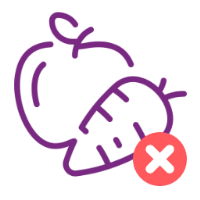
- Stop solid foods (this includes liquids with solid components/bits (i.e. orange juice, soup broth or bubble tea) as well as jello. (Jello is not a clear fluid)
- Patients who no longer drink from a bottle should not have solids or any types of milk after midnight.
5 hours before operation
- Stop formula.

4 hours before operation
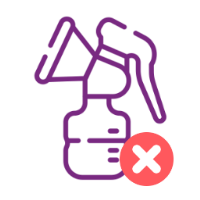
- Stop breastmilk (with and without fortification).
When you arrive at CHEO
- Stop clear fluids (i.e. apple juice, water).

Does your child have to take medications?
Your surgeon or anesthesiologist will tell you if it is appropriate to give your child or youth regular medication on the day of surgery. Medications can be taken with sips of water or apple juice only.
Is your child or youth is having an endoscopy?
Please follow the special fasting guidelines from your doctor or nurse.
Questions about the fasting requirements and medications?
Please call the Pre-anesthesia clinic nurse at:
613-737-7600 ext. 3330 or you can send a myChart message to the pre-anesthesia clinic, available to answer any questions.
7:00 am to 3:00 pm Monday to Friday except Holidays.
Confirming the time of your surgery or procedure |
||||||||||
| We will call you 1 to 2 days before your surgery or procedure to confirm the time you should arrive at CHEO. If we do not call you by 8pm the evening before, or you have questions about the arrival time, please call CHEO’s admitting department 613-737-7600 ext 2310, before 11pm. |
||||||||||
Bathing instructions |
||||||||||
| At CHEO we do everything we can to prevent infections after surgery. You play an important role in reducing your child’s risk of infection by making sure they have bathed properly the evening before or the morning of their surgery or procedure. Important: your child will need to bathe with liquid soap. The brand does not matter. The soap needs to be in liquid form to prevent cross contamination that can be caused by using bar soap. Patients coming for surgery should remove all nail polish, jewelry including piercings. Do not wear makeup or apply lotion on the day of surgery. Put on clean comfortable clothing or pajamas/socks before arriving for surgery. |
||||||||||
CHEO's parent, caregiver and visitor presence policy |
||||||||||
|
Parent, caregiver and visitor presence policiesPlease review the following information before arriving at CHEO. Parents and caregivers are important members of the care team. They actively work with us to provide vital health information only they know and give emotional support in the way only a parent or caregiver can. For infection prevention and safety reasons, we have limits on how many parents, caregivers and visitors can be onsite at one time. We also limit the number at the bedside. We appreciate your patience and understanding in keeping everyone safe, particularly during the peak viral season. Allowed number of parents, caregivers and visitorsLast updated: March 2026
Frequently asked questions about coming to CHEO
Visit CHEO.on.ca/CaregiverPresence for the latest information on our parent, caregiver and visitor presence policy. |
||||||||||
Finding your way to, and around, CHEO |
||||||||||
| For help finding your way to CHEO, and to your surgery or procedure, visit CHEO.on.ca/map Visit our CHEO.on.ca/Amenities for details on family lounges, wi-fi access and more. For families travelling to CHEO from farther away, you can also find information on nearby hotels and other accommodations. |
||||||||||
Preventing the spread of infection |
||||||||||
| We want to make sure our patients get well quickly. Please help us prevent the spread of infections:
|
||||||||||
Surgery delays or rescheduling |
||||||||||
| Unfortunately, surgeries and procedures are sometimes delayed or rescheduled because:
We will do our best to keep you informed about any delays. We only reschedule surgeries if we have no other choice. If your child’s or youth’s surgery gets delayed, we will book a new surgery date as quickly as possible. We appreciate your understanding! |
Day of your surgery
| Checklist: day of your surgery |
| Bring your packed bag with important items for you and your child/youth (find the full suggested packing list in the Day before surgery section above). Make sure your child/youth has removed any makeup, nail polish, metal and plastic jewellery and piercings (from the tongue, nose, mouth, ear, belly button, eyebrows, etc.) Visit our Maps and locations page to find latest information on construction, parking and finding your way around CHEO. |

Arriving at the surgical day unit |
| Please arrive at the time provided. Arriving on time is very important because it will give everyone time to get ready for the surgery or procedure and an opportunity for you to ask questions to the surgical care team. You will find the Surgical Day Unit on Level 3 of the main CHEO building. In the Surgical Day Unit, you will:
Please give other families enough space to keep their conversations with our staff and medical staff private. Please do not bring anything to eat or drink into the surgical waiting room as all children/ youth are fasting! If you bring food with you, keep it out of sight. You can eat after your child or youth goes in for surgery in our family waiting room or other areas of the hospital. |
While in the surgical day unit |
| Your child will be weighed and have their vitals (heart rate, blood pressure, etc.) taken, to help assess their current level of health. The nurses may:
CHEO volunteers (under the direction of Child Life Services) help support play activities in the playroom. Toys and activities help pass the time and help children to feel more relaxed. Children often express their feelings best through play. Different members of the care team will ask you questions before the surgery, and this is also an opportunity for you to ask questions and discuss the plan of care. This ensures that all members of the team have the same important information about the surgery of your child or youth. In many cases, the surgeon will use a marker to mark the site of the surgery. Your child can bring a soft toy or blanket for comfort. |
Parent and caregiver presence in the operating room |
| We understand that surgery can be a stressful experience for families. We offer a program for eligible patients to have one parent, or other support person, stay with them for the start of anesthesia, while their child is falling asleep. This can only be offered for scheduled surgeries (no emergency surgeries) where the patient is at least one-year old, medically stable without complex medical needs and wants to have a parent or caregiver with them. We may not be able to offer this program if we do not have a volunteer or Child Life specialist available. The anesthesiologist has the final decision about whether this program is right for your child or youth. In the operating room, you will help the most when you:
It is important you do not touch any of the equipment while in the operating room. You are not allowed to take photos in the operating room. As children and youth become sleepy from anesthesia, some fall asleep quickly and others enter a stage of excitement, during which they may move their arms or legs. Some may seem dizzy, with noisy breathing or coughing. You may notice their eyes roll back. All of this is very normal. Your child or youth may not remember this stage. |
During surgery |
| Please wait in the Family Waiting Room on Level 3 (room 3108 B, just in front of the elevators). This is where the surgeon will look for you when the surgery is over to discuss the surgery. Please make sure one parent or guardian stays in the hospital. The waiting room is a good place to think about any questions you’d like to ask the surgeon when the surgery is over. A nurse or volunteer will look here for you to re-unite you with your child or youth. You can eat, drink and use your cell phone in the waiting room. If time allows during your child or youth’s surgery or procedure, you may visit:
Visit our CHEO.on.ca/Amenities for latest details on hours of operation of each. |

Post Anesthetic Care Unit (PACU) |
| Your child or youth will go to the PACU to fully wake up after surgery. Each patient reacts differently after anesthesia. Some sleep for a long time, while others are restless and cry as they wake up. Your child will not likely remember this. Your child or youth will stay in the PACU until they are awake, comfortable and stable. This usually takes 30 to 45 minutes, but sometimes it can take longer. We may be able to bring you into the PACU to see your child or youth. Only one parent or family member can visit in the PACU at a time. What to expect in the PACUYour child or youth may have:
A PACU nurse will make sure your child or youth is safe and comfortable. It is normal to have some pain after surgery. Each child or youth feels pain differently. PACU nurses will:
Please speak with the nurse if you feel your child or youth is in pain. You can help your child or youth in the PACU by:
Please remember:
|
Going home |
| If your child or youth has had day surgery, the nurse will tell you when it’s OK to go home. Your surgeon or nurse will go over any care instructions, prescriptions and follow-up appointments with you before you leave and you will have an opportunity to ask questions. Be sure to confirm who you should contact and how, if you have any questions or concerns after surgery. If you don’t have a car, try to ask someone you know to drive you home or plan to take a taxi. If you cannot pay for a taxi please speak with your nurse. Taking public transit is not recommended after surgery. Keep a towel or small pail in the car, as some children throw up in the car on the way home. Youth are not allowed to drive for 24 hours after having an anesthetic. Make sure you or another responsible adult stays with your child or youth for 24 hours after the surgery. It is important to watch for any problems that could happen after surgery. Don’t plan any activities for the rest of the day; let your child or youth rest. Please visit our Hospitalization and surgery page to find additional resources to help you care for your child or youth at home after surgery. |
For best results make sure background graphics are enabled.